PRODUCT & SERVICE DESIGN / RESEARCH / TEACHING

Designing the connections between people, products and experiences.

From the movement of a learning object between school and home, to a visitor’s path through a museum and an interior shaped around an unexpected client need: research, decisions and material constraints meet in the work collected here. Each project opens onto original evidence.

Research-led systems · Built products · Service proposals · Design education

MSc Product & Service Design · Sapienza University of Rome, 2025
BA Industrial Design · Product development & design education

How it works: CV → decision → evidence ↗
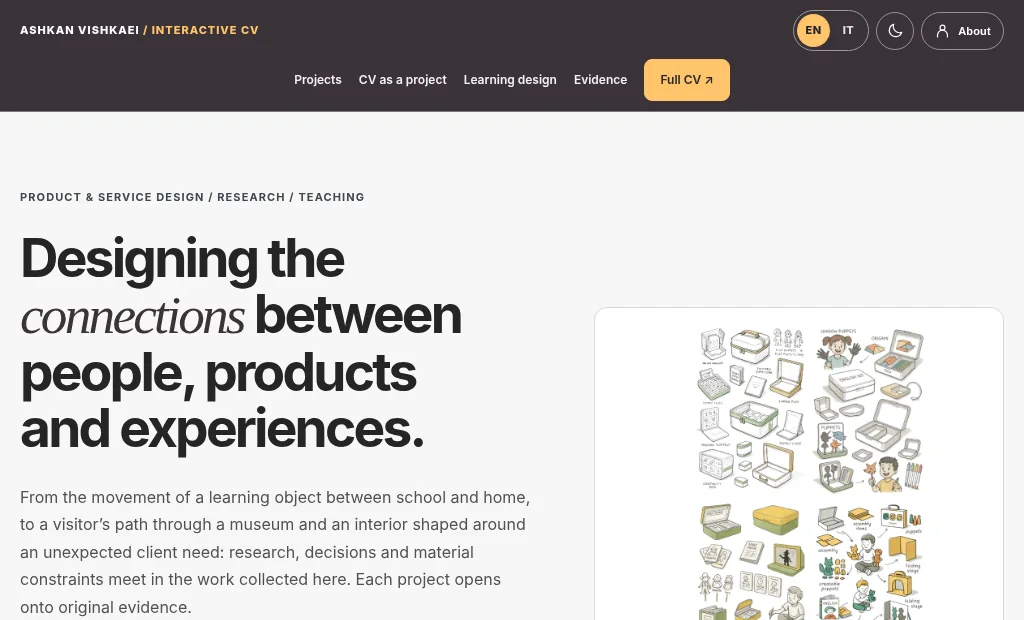
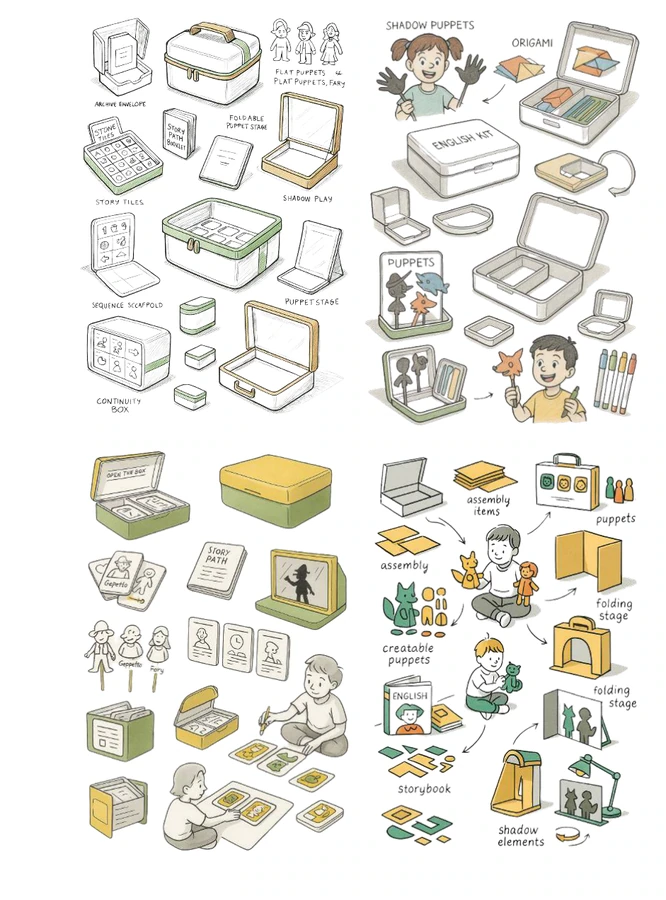
Original MSc design work: concept studies of a tangible school–home learning system
A tangible system developed from contextual design research · MSc thesis / 2025
01 / Investigate the real context

Interviews, observations, constraints and source evidence guide design choices.

Inspect research synthesis ↗
02 / Shape systems and decisions

Journey maps, blueprints, decision matrices, alternatives and detailed concepts.

Inspect service blueprint ↗
03 / Deliver and communicate

Workshop fabrication, teaching implementation, iteration and stakeholder presentation.

Inspect a completed build ↗

SELECTED DESIGN WORK / SOURCE-LINKED CASES

Projects with traceable decisions.

The same design discipline applied to distinct settings: learning across contexts, AR-enhanced cultural visits, a built vehicle conversion, and an original Iranian camper research project. Read the case, inspect the artefacts, or follow the evidence all the way to its source.

01 · RESEARCH-LED PRODUCT–SERVICE SYSTEM · MSc 2025

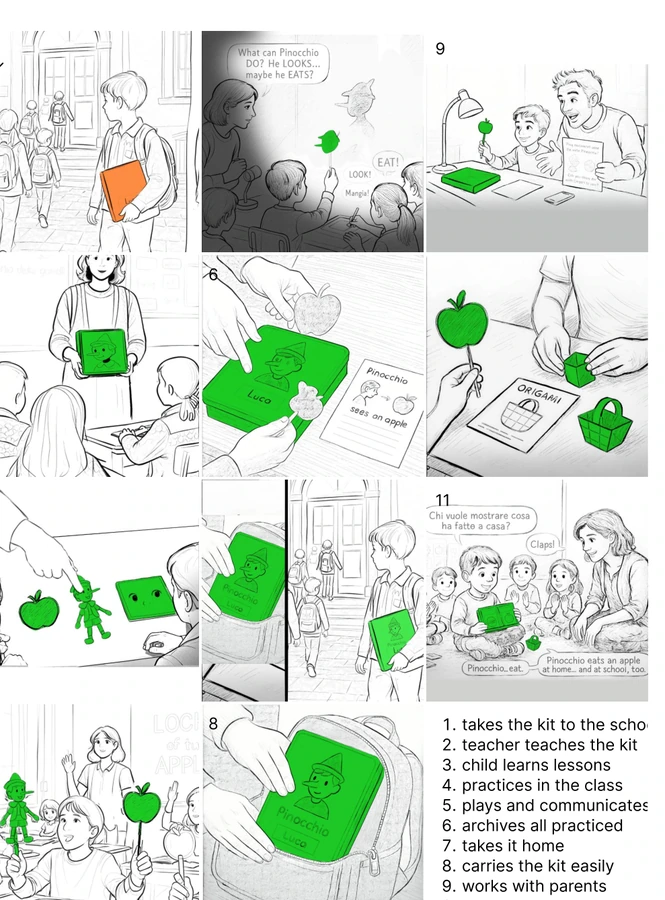
Learning continuity across school and home

A multi-actor product–service system for children aged 6–8 learning English.

Problem
Classroom and home learning involved different materials, emotional cues and adult mediation, disrupting continuity.
Approach
Contextual observations, parent and teacher perspectives and benchmarking of 90+ existing tools were synthesised into five interrelated discontinuities.
Design response
Modular narrative components, tangible interaction, bilingual guidance and a recurring school–home–return journey.

See the design reasoning: field observations → requirements → component studies → journey & scenarios.
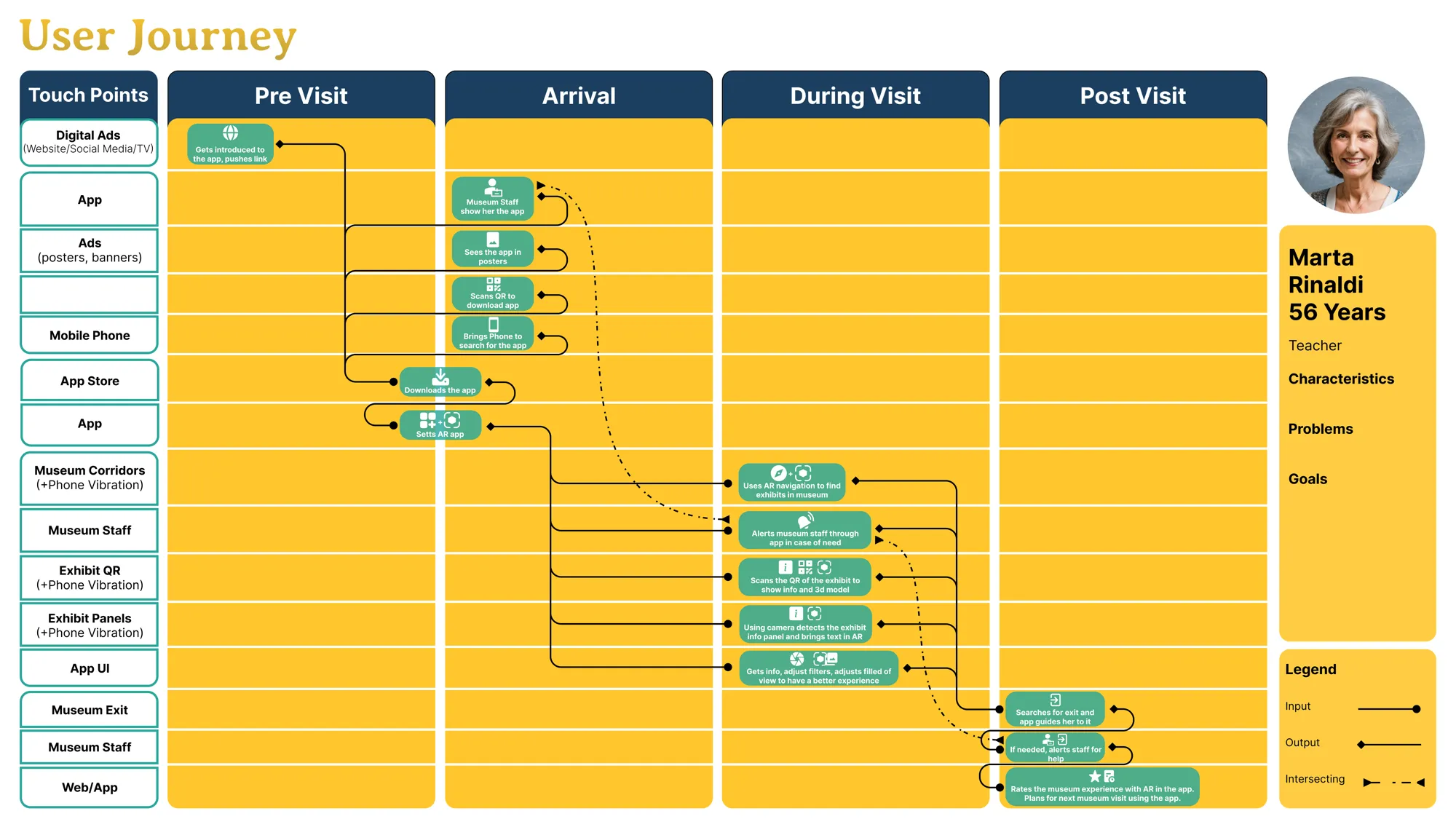
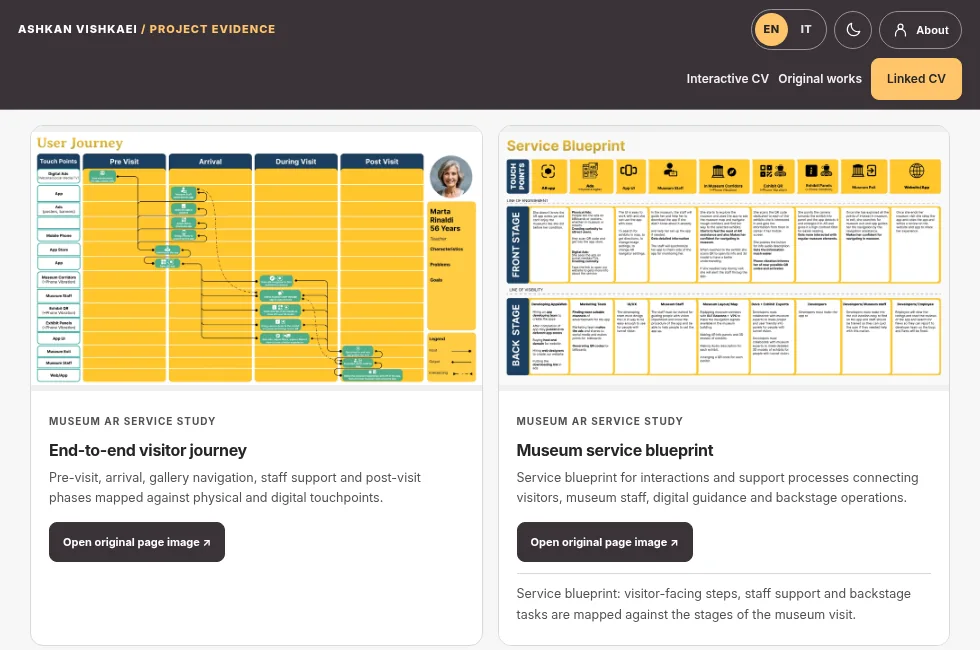
Original journey map for a museum AR guidance and visitor-support concept

02 · SERVICE / AR · INSTITUTIONAL PROPOSAL

Museum AR visitor experience

An independently initiated visitor-service proposal supported and approved in internal museum meetings; not deployed.

Designed a visitor journey and frontstage/backstage blueprint for possible use across Iranian museums, starting with Tehran Museum of Contemporary Art. The proposal was discussed and supported in repeated internal meetings, but did not advance to implementation or funding.

Inspect the design decisions: visitor journey → museum touchpoints → service blueprint.

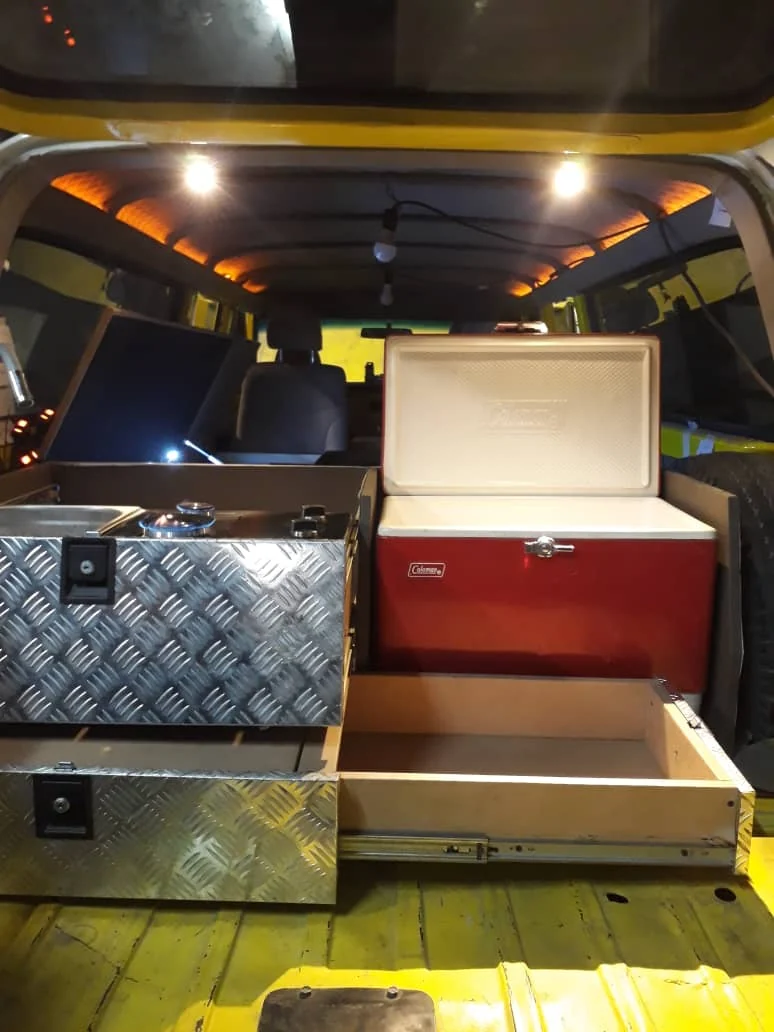
Photograph from the actual Chevrolet Suburban camper conversion: completed functional modules

03 · INDUSTRIAL DESIGN / BUILD · 2019–2020

Chevrolet Suburban RV

Led a five-person design team from a hidden customer need to workshop-ready decisions.

After interviewing the vehicle owner directly, I identified an overlooked use case: hosting friends during group outdoor trips. I led ergonomic studies, space and mechanism decisions, and communication between the design team and the fabricating workshop; the workshop built the vehicle.

Follow the evidence: client context → alternative concepts → decision matrix → built interior.

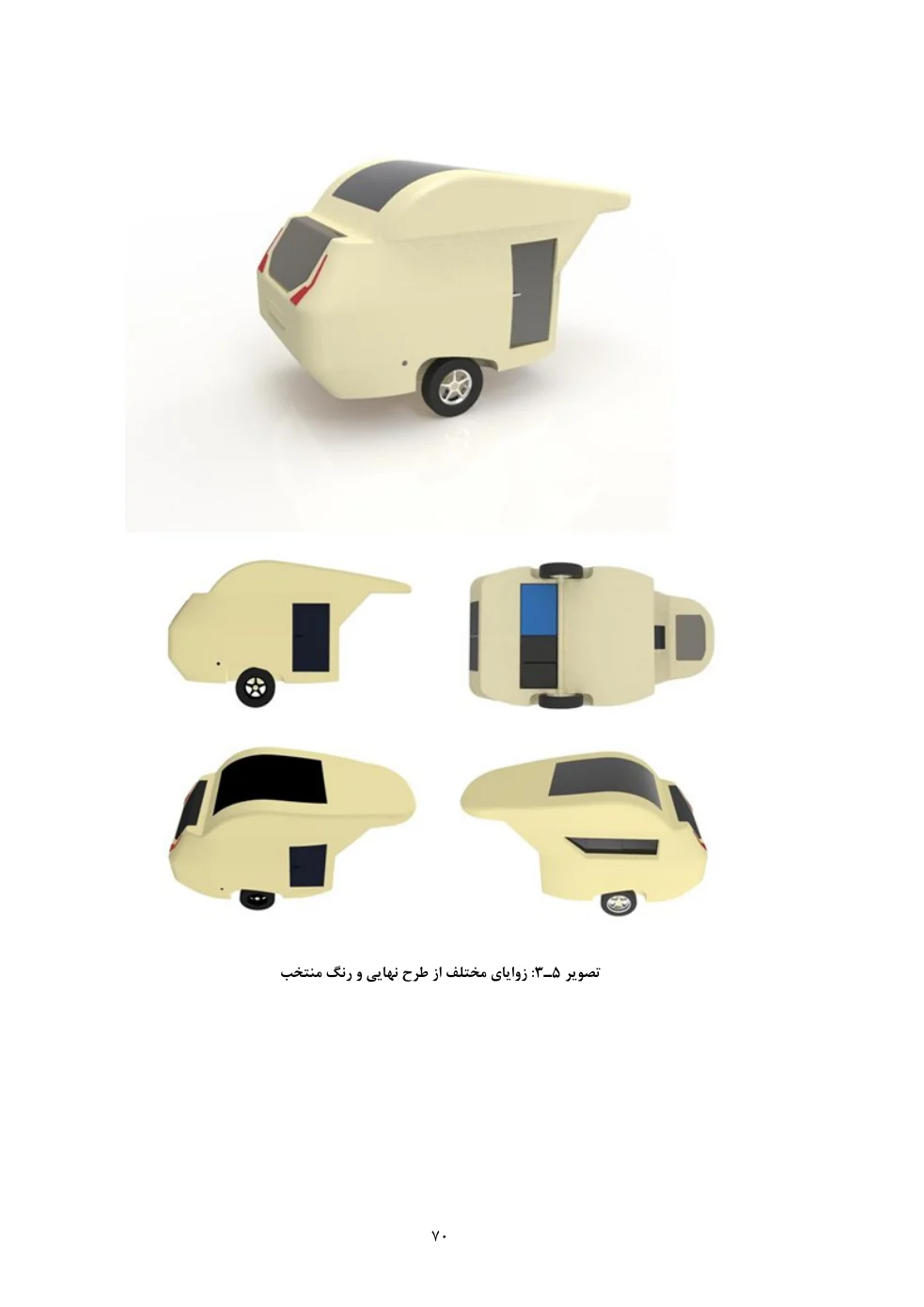
Sarr caravan final product design drawn from the 2020 BA thesis

04 · BA RESEARCH + PRODUCT DESIGN · 2020

Sarr

The first documented camper research and design undertaking in Iran, from fieldwork to product form.

My 92-page Bachelor’s thesis combined interviews, field observation, local travel environments, Iranian anthropometry and iterative design. Sarr is the product concept born from that same research, later referenced by other work according to my account.

Follow the same project across two records: field research → criteria → concept alternatives → documented revisions.

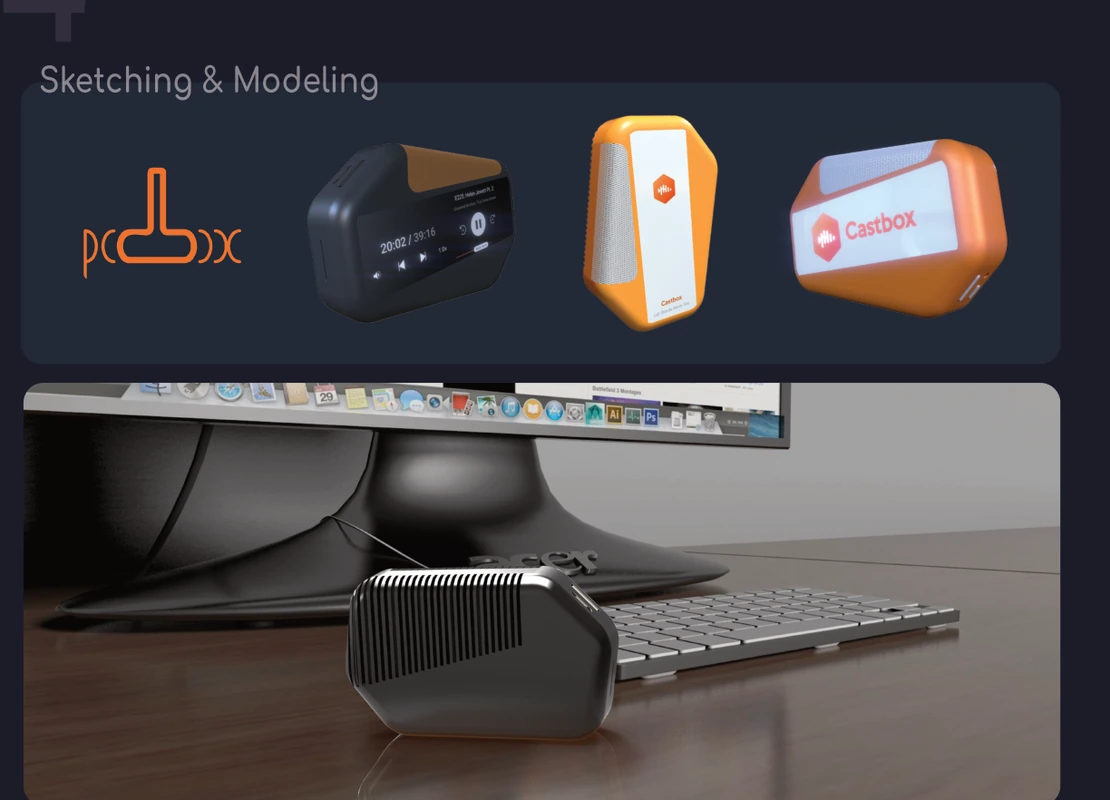
Podbox original concept render from BA portfolio

05 · PRODUCT + PLATFORM PROPOSITION · 2020–2021

Podbox

A self-initiated portable recording concept, linking hardware and platform needs.

The concept combines emerging creators’ practical barriers, interaction requirements, form development and a value proposition for a podcast ecosystem.

Inspect the design chain: user barriers → device proposal → business model → original sketches.

ADDITIONAL WORK

Exploring use in everyday situations.

PinLight examines flexible lighting across activities and body positions. Prog explores portable disposal and behaviour in everyday environments. Both include original sketches and developed models.

PinLight ↗Prog ↗
PinLight original sketches and form studiesProg original sketches and prototypes

DESIGN EDUCATION / CURRICULUM + DELIVERY

Making design teachable.

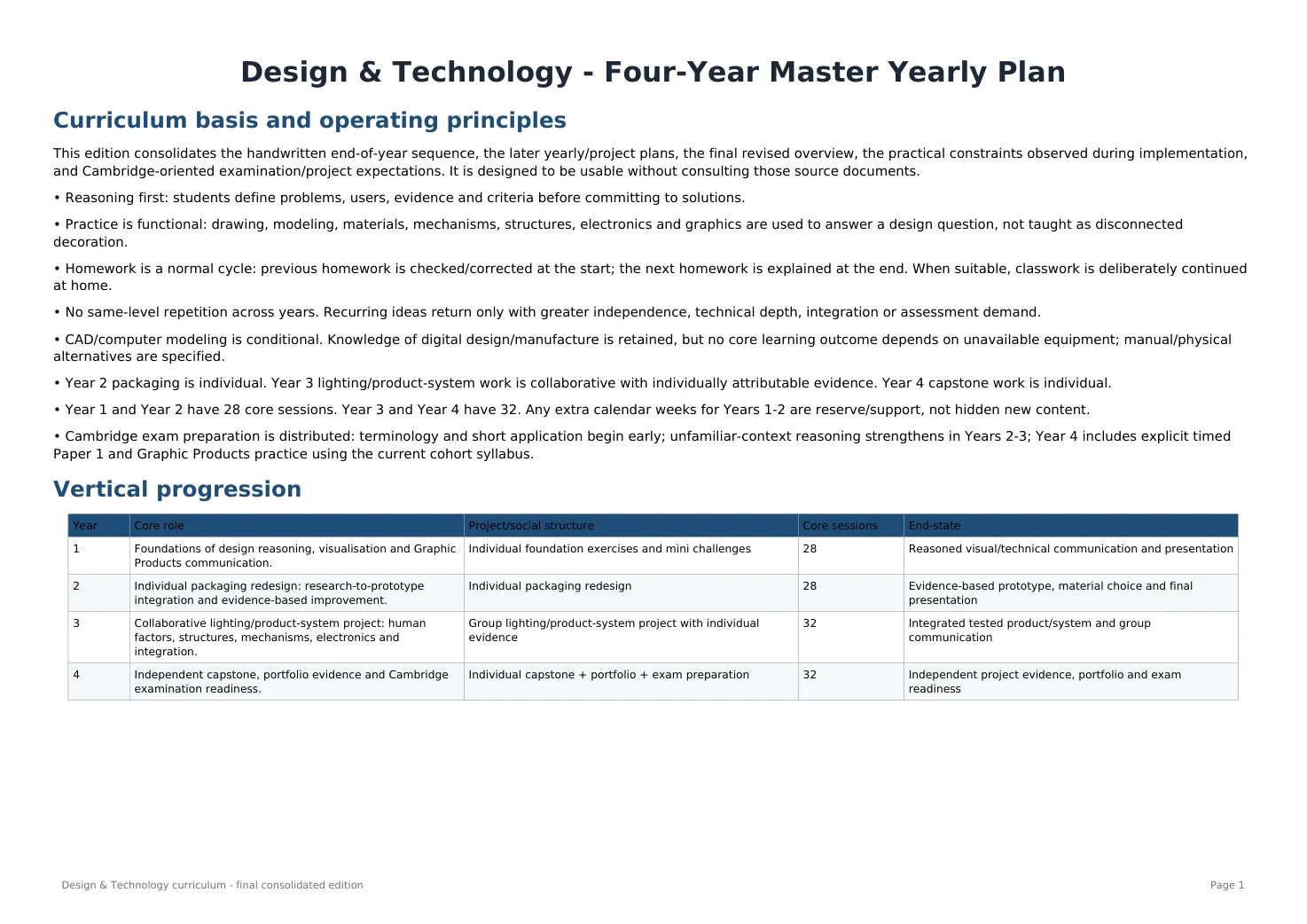
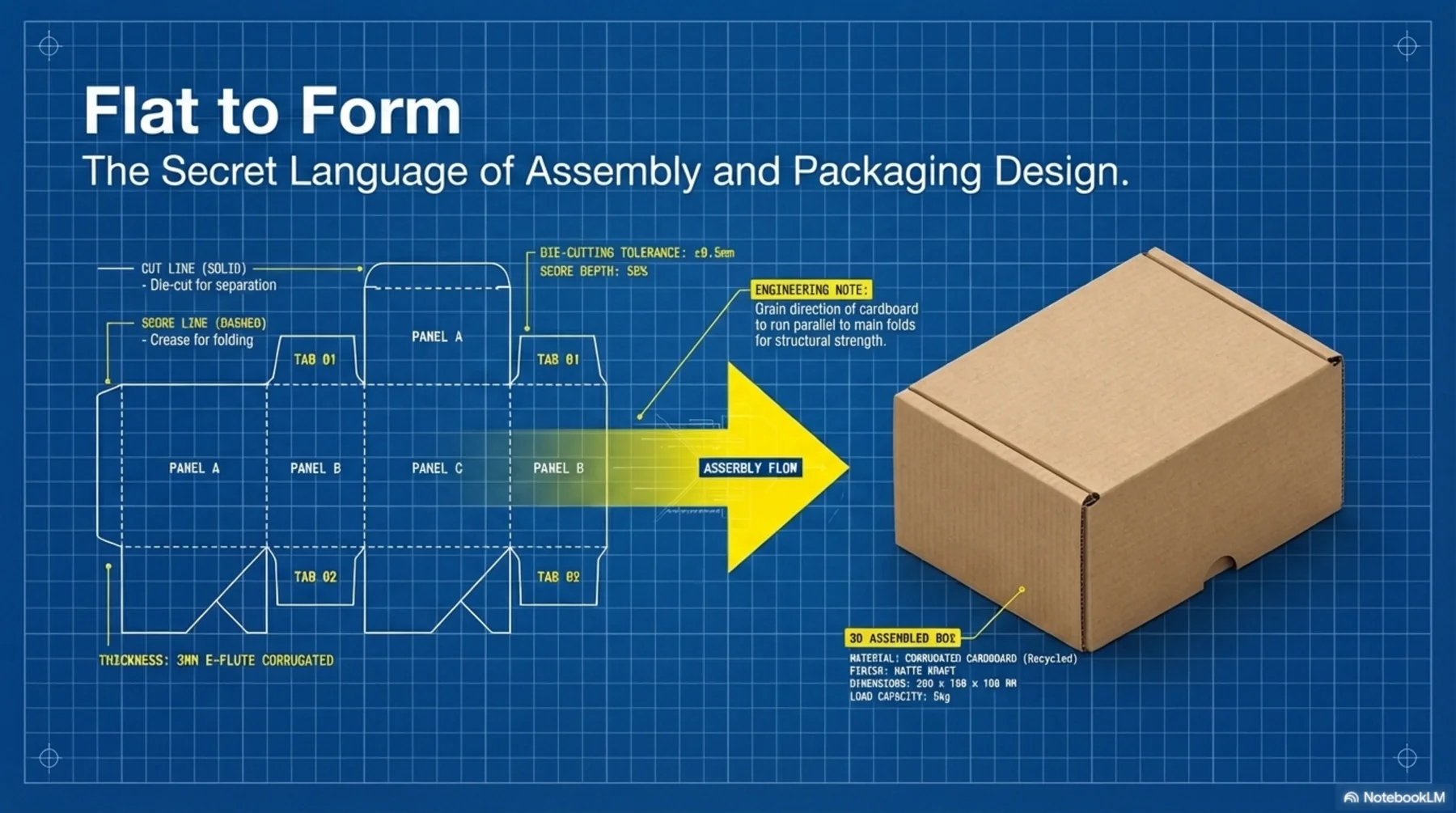
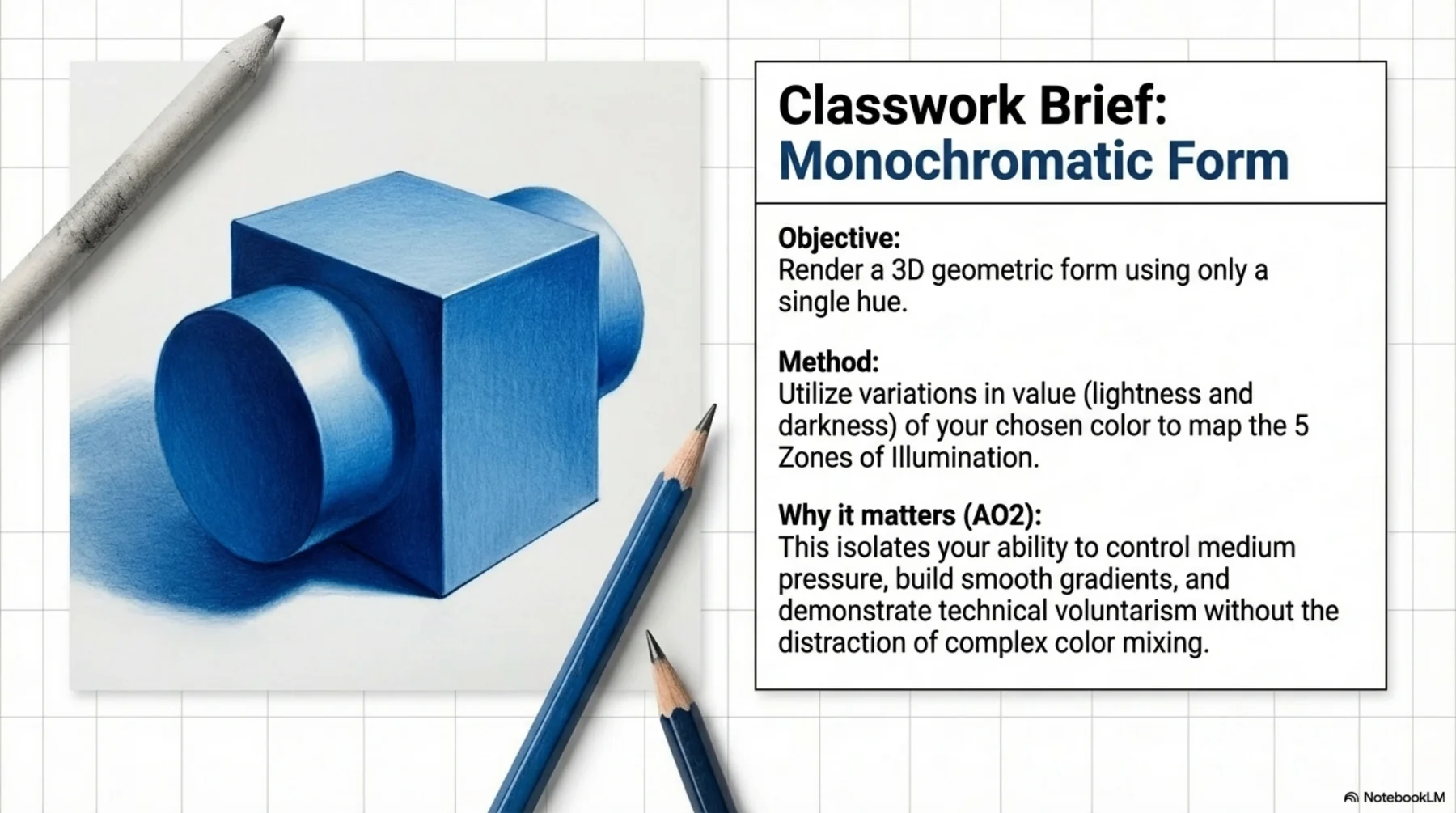
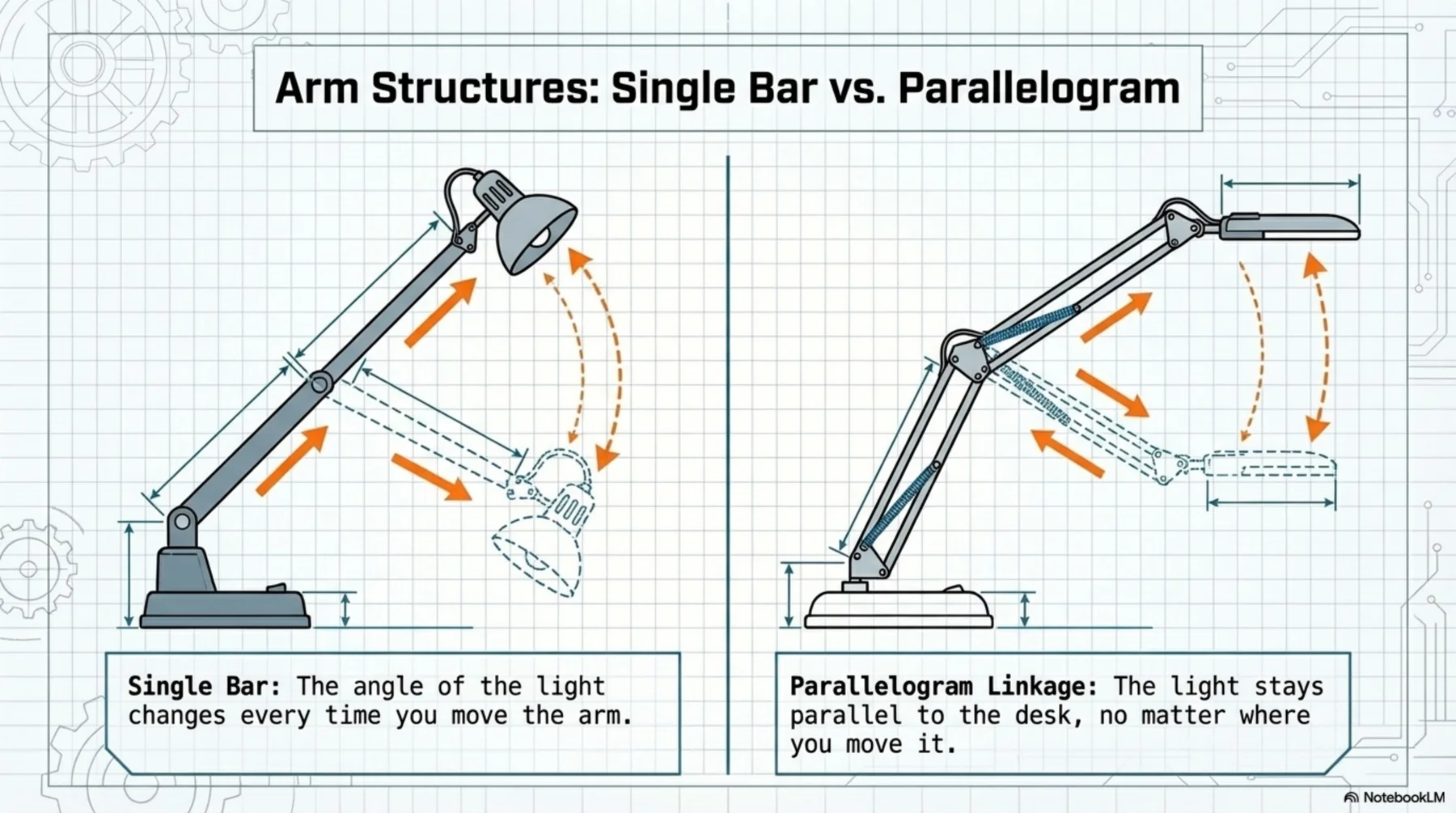
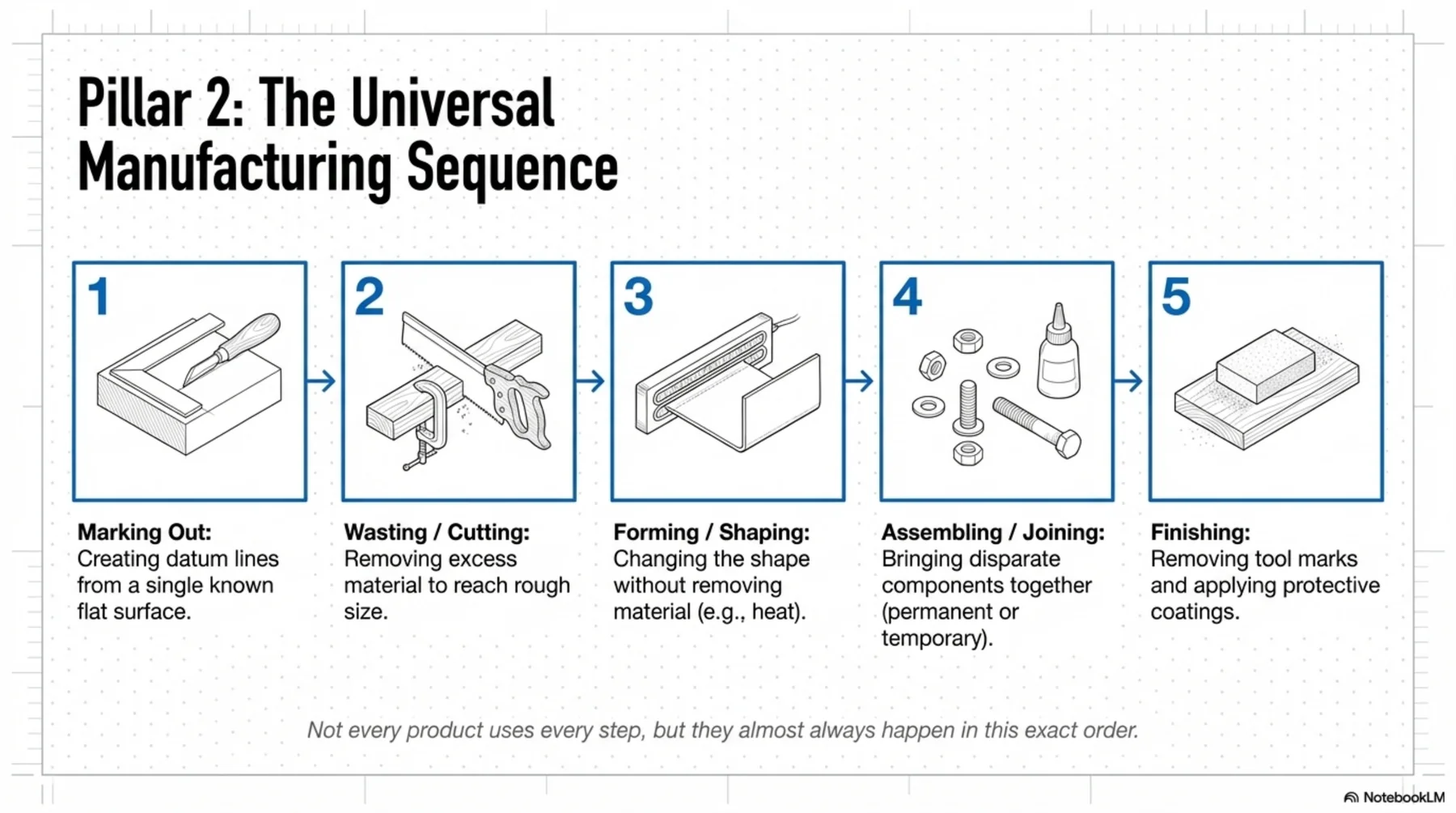
I designed an English-medium, four-year-group Design & Technology progression before teaching began, refining it through classroom feedback across two school years. Grounded in the Cambridge IGCSE approach, it connects technical foundations, packaging redesign, group luminaire design and independent product-and-portfolio development. Every selected teaching resource was prepared or directed by me and used with students; visual materials were often produced with AI assistance under my editorial supervision.

Curriculum overview source page from four-year-group Design & Technology programmeCURRICULUM ARCHITECTURE / FOUR YEAR GROUPS

DESIGN & TECHNOLOGY TEACHING · ROME · 2024–2026

From technical fundamentals to independent product thinking.

Curriculum architecture: four linked year groups, researched and redesigned in summer 2024 and refined after teaching feedback.

Learning experiences: fundamentals → individual packaging redesign → collaborative lamp design → independent product and portfolio.

Delivery and assessment: English-medium lessons, original briefs and visual resources, lesson-by-lesson assessment and examination preparation through June 2026.

Explore teaching case and original materials ↗

The evidence archive contains examples used in teaching, as reported by the instructor. AI tools assisted the visual presentation of instructor-authored or curated material; they are not presented as the authors of the educational programme. English and Geography teaching are documented separately.

PRACTICE / RESEARCH + MAKING + TEACHING

A background that connects disciplines.

Research, physical products, service systems and teaching are different design settings; the thread is a decision made legible through evidence, alternatives and implementation constraints.

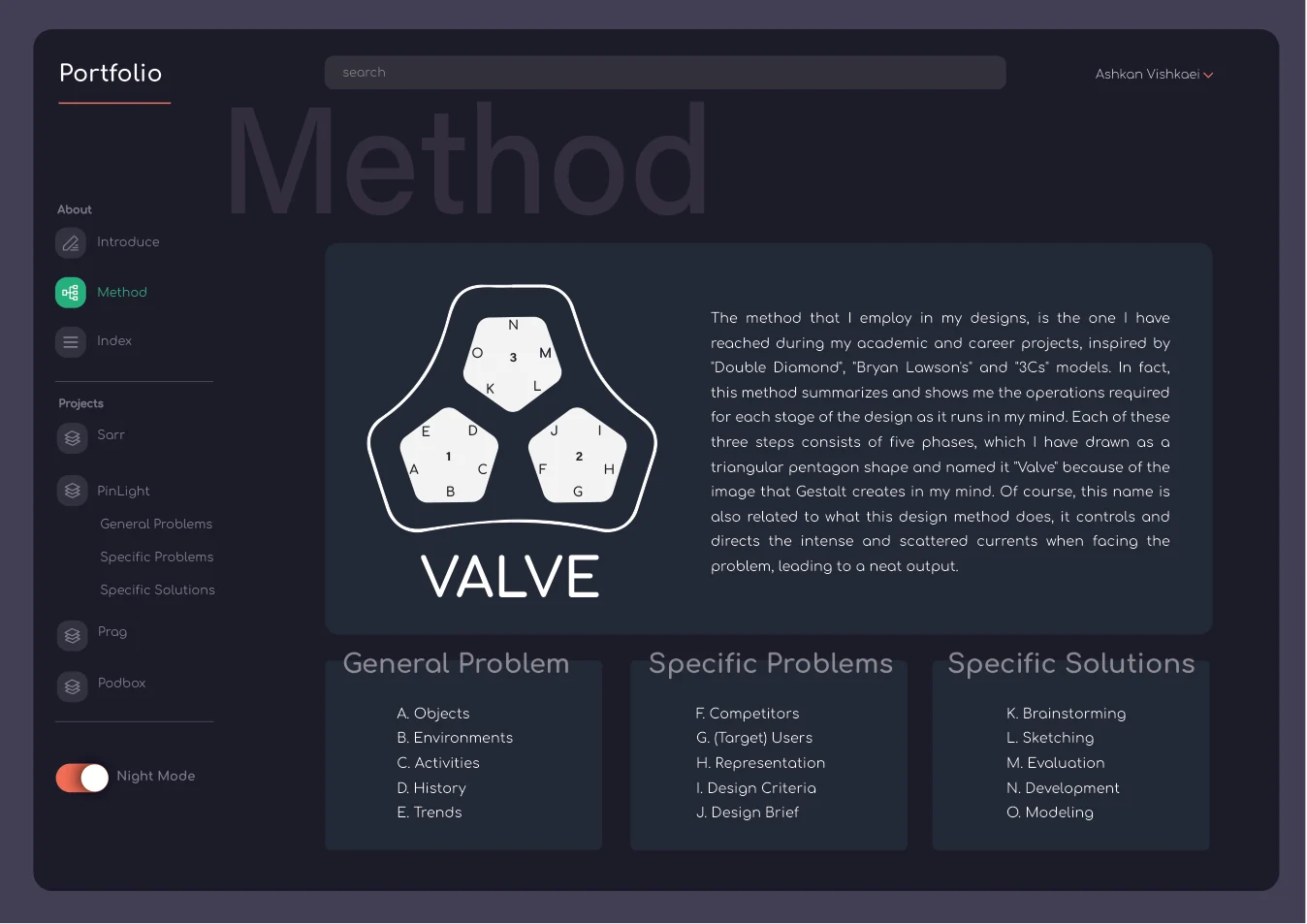
Original VALVE design process diagram from the 2020–21 BA portfolio
Early process thinking: my VALVE model in the original BA portfolio, p.3. View source ↗

Not one medium. A consistent way of investigating.

An early self-developed design framework organised problems, users, criteria, ideation and evaluation. Later MSc work widened the lens to multiple actors, service touchpoints and continuity between environments.

I have also designed and delivered English-medium Design & Technology programmes across four school year groups, developing briefs, technical explanations and evaluation materials. That is practice in making design knowledge actionable, not only presenting a finished object.

Teaching & design delivery ↗

DESIGN IN USE / A PROJECT WITHIN THE EXPERIENCE

The CV is also a designed interface.

When evidence is scattered across academic research, professional projects, build records and teaching resources, a conventional CV cannot carry every artefact. The real design task was to make a concise professional narrative and a precise route to each supporting item—without making either dependent on the other.

This page is the working interface. Switch language and theme, then follow a specific CV claim to its original source. Test the live evidence path ↗

Need

Make a diverse body of work rapidly understandable and independently inspectable.

Design decision

Separate a readable CV, concise case narratives and deep links to primary-source material.

Delivery

A working responsive interface with real project images, URL anchors and printable CV output.

Iteration

Source corrections, mobile navigation, print layout, evidence states and repeated critical review.

01 / CLAIMCapability in CVe.g. service blueprint
02 / CONTEXTProject decisionWhat was designed and why
03 / SOURCEExact artefactOriginal map, page or build photograph

The flow diagrams are retrospective descriptions of a functioning interface; they are not claimed as pre-build wireframes or evidence of an external usability study.

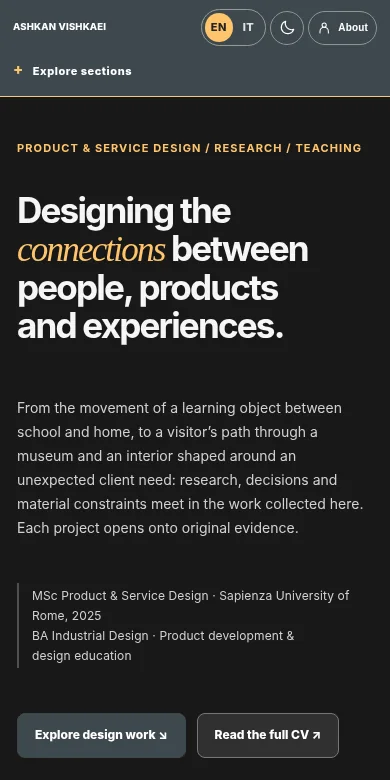
DESKTOP
Professional identity & navigation
Case / decision
Original evidence
Deep-link & inspect
01 / Readable narrative + proof
MOBILE
Title + purpose
Explore work
Case
Evidence
02 / Responsive content priority
DIRECT EVIDENCE
CV capability
↓
Project decision
↓
Source page
03 / Anchor → relevant artefact
Try the mechanism: open a museum service blueprint ↗

PROJECT DOCUMENTATION / IMPLEMENTED INTERACTION DESIGN

From an overloaded CV to an evidence navigation system.

The real constraints evolved in use: research sources arrived in incompatible formats; generated illustrations had to give way to original pages; a long archive needed precise deep links; screen and A4 layouts behaved differently; and language and theme controls introduced responsive and contrast failures. Each failure prompted a design decision that could be checked against an actual interface state.

The design test: can a recruiter start from a claim and find its supporting artefact without learning the archive first?
01

Access & information architecture

Fast reading and deep verification are different tasks. The CV stays scannable; detailed project reasoning and sources have persistent anchors, so neither reading mode consumes the other.

02

Decisions across screen states

For evidence, an image preview opens the full original. On mobile, navigation must collapse without hiding the language selector; the printed CV must retain working URLs without web-only controls.

03

Implementation, failures & verification

Actual fixes addressed PDF pagination, anchor destinations, broken source labelling, tablet-width overflow and low-contrast dark components. The predecessor was checked on a live Netlify address; this revision is tested locally before replacement.

Light / dark themeEnglish / Italian entryProfile dialogMobile layoutCV → exact sourcePrint / screen

Color as context. In light mode, Reddish-Gray frames the identity while Slate anchors the typography; in dark mode, Slate becomes the masthead and Gold Mid acts as a controlled source of visual light. The three brand colors stay fixed while their relationships, contrast and surface roles change. Original project imagery remains unaltered.

Authorship and scope: The professional facts, concept, source selection and critical direction are user-led. Technical implementation, translation drafting and QA involved AI assistance. Observed results concern working links, layouts and selected live-browser paths—not hiring outcomes or measured user conversion.

Start from a CV claim ↗

WHY THIS FORMAT

Read briefly. Verify deeply.

For a first review, the short CV and project summaries establish the scope of the work. For a closer review, the relevant sketch, map, design correction or workshop photograph is one link away.

That separation keeps the original records inspectable while allowing a stable evidence library to support future applications. Readers can choose their depth without losing the route back to the claim.

PRIMARY SOURCES / SELECTED RECORDS

Original records, not hidden behind a rewrite.

Each case links directly to its original evidence, with clear provenance and stable anchors. The source collection spans two theses, the 2019–2020 built Chevrolet project, the museum service proposal, the historic industrial design portfolio and teaching materials.

01 / MSc THESISContinuity-Centred Educational Tool for ChildrenSapienza University of Rome · Original research and design booklet · 161 PDF pagesBrowse selected original pages ↗Open complete PDF · web copy ↗
02 / BA PORTFOLIOIndustrial Design PortfolioSarr, PinLight, Prog, Podbox · Original 2020–2021 portfolio · 27 PDF pagesBrowse selected original pages ↗Open complete PDF · web copy ↗
03 / BA THESIS / SARRCamper–caravan design for Iranian users, with a focus on experience2020 · 92-page original BA research and design thesis: methods, interviews, observations, anthropometrics, concepts and evaluationInspect research and source-page excerpts ↗Open complete PDF · web copy ↗
04 / BUILT PRODUCT / CHEVROLETChevrolet Suburban RV — project documentation2019–2020 · 45-page report and original workshop photographs of the constructed conversionInspect project and build ↗
05 / SERVICE DESIGN / AR MUSEUMAugmented-reality visitor service proposalIndependent proposal for Iranian museums, intended first for Tehran Museum of Contemporary Art · User journey and service blueprintInspect original service maps ↗

The evidence archive opens selected original pages and exact visual excerpts. The three complete original PDFs above are available separately, only when deliberately requested; other project records are represented by selected materials. The three downloadable PDFs are complete web-optimised copies; unchanged original files are retained in the source archive.

Ashkan Vishkaei

Product & service designer · researcher · design educator

I work where a design decision has to survive contact with the people, materials and institutions around it.

My work spans industrial products, product–service systems, contextual research and design education. What connects these settings is the passage from a situated question to alternatives that can be explained, challenged and put into use.

The Chevrolet conversion brought user requirements into a workshop and a built interior; the museum proposal connected the visitor’s path to staff and backstage processes; the learning project addressed what must pass between school and home. Each demanded a different scale of evidence and a different kind of delivery.

My approach: Start with the actual context; expose assumptions; compare alternatives; make the decision legible; keep the evidence close enough to inspect. This interactive CV is one application of that working approach.

Current direction: Currently seeking product and service design opportunities that connect research, information design, tangible experience and implementation. Open to relocation without a default city restriction.